As some of you know, this past year has been a real struggle for me. So, I’m writing this not from a place of expertise, but as a reminder to myself and as a way to gain better perspective.
Become Antifragile
In 2020, when the world went into lockdown, it went on wayyy longer than any of us expected – and we financially suffered. As a result, we relocated for a job that appeared to give us more stability, and I’ve regretted it ever since. My life went from work-balance to out of balance quickly.
I won’t go into all of the gnarly details, but let’s just say, Saturday mornings became sobbing + venting sessions while my husband listened and comforted me as best as he could. And for the first time, in a very long time, I understood the seductive power of suicidal thoughts. When I saw Big Think’s YouTube video “Don’t chase happiness. Become antifragile” I knew something profound yet simple was inviting me there.
There are only two kinds of people who don’t experience emotional pain, the first kind are psychopaths and the second kind are dead.
– Tal Ben-Shahar
Actually, I’ve been on a Big Think binge. I love their videos and the questions they ask, so I’ll be sharing a few here. Anyway, something worth considering is what Tal Ben-Shahar introduces in the above video – the SPIRE model:
Spiritual – finding a sense of meaning and purpose
Physical – look at ‘stress’ the silent killer, find recovery time
Intellectual – be curious, ask questions, deeply engaging with material
Relational – #1 predictor of happiness, the quality of our relationships
Emotional – “gratitude is the mother of all virtues” – Cicero
If we’ve experienced a collapse in meaning? How to we go about restoring it? – Jamie Wheal
I could write a book about my spiritual journey. I was loosely raised and influenced by Buddhism and Christianity. I think a challenging childhood also pushed me towards world religions, occult studies, and self-development as soon as I was old enough to grapple with it.
So, you’d think with this foundation that I’d be “happier”, but actually, I fiercely resented that I no longer had free time to pursue my passion (writing). I felt like I was falling behind and hitting the big fat pause button on my dreams.
Teaching full-time is exhausting business. I have special needs students, cultural differences to also contend with, along with all the other crap that goes on in schools. Not to mention, you’re supposed to be teaching. Where was the energy or the time to write?
Don’t laugh, but I got up 15 minutes earlier each day so I could sit down and chip away at my writing. Some days I could squeeze in a mere 5 minutes before I had to run out the door, and some weeks, it felt like I could only get three out of the five days. Weekends were better, but only after grocery shopping, chores, and all that other stuff was done.
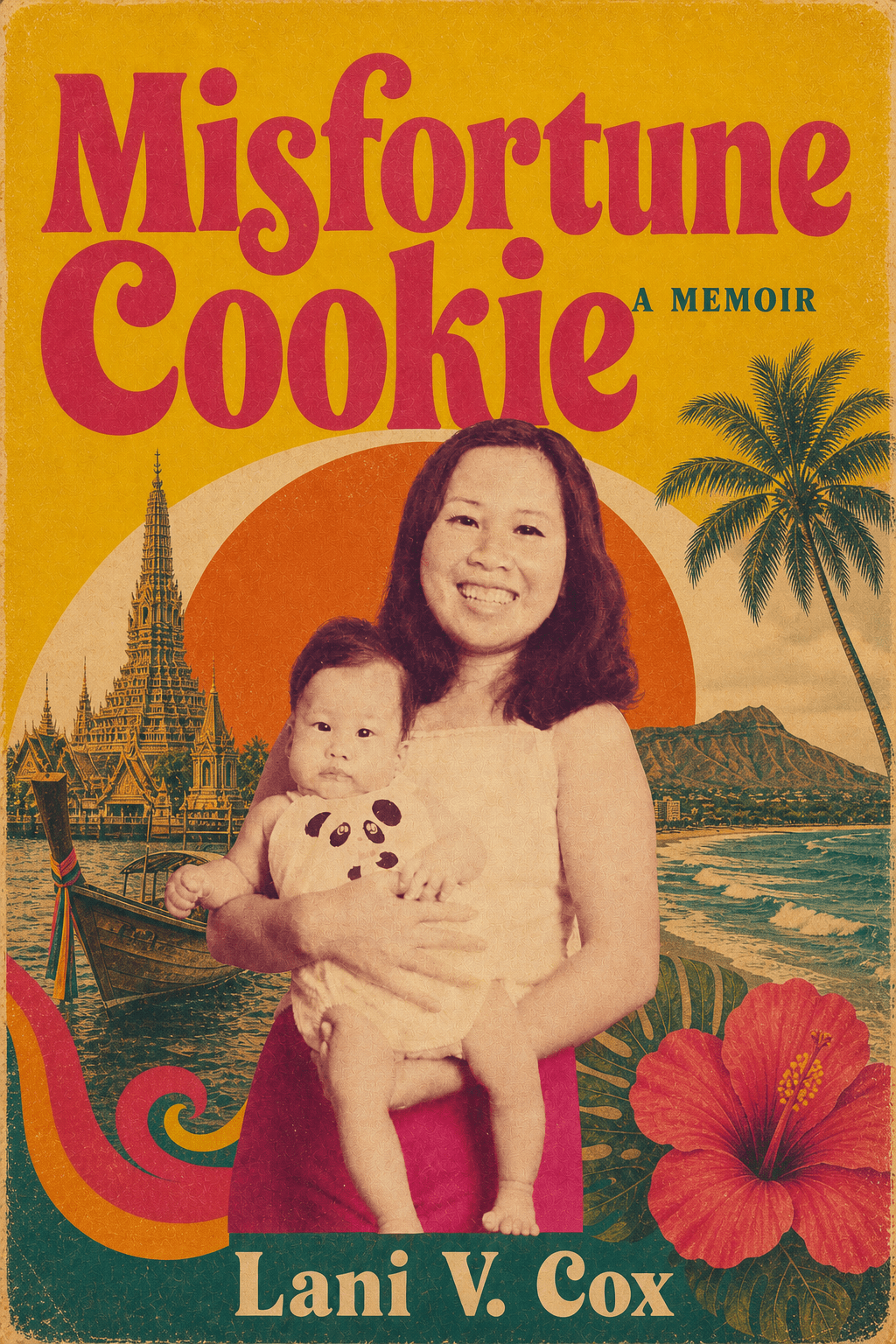
But I did it. Eventually I finished my memoir manuscript. I sweated out a solid query letter so I could sent it to agents. I did loads of research. I revived old writings, banged out new stuff, and have sent them off to literary magazines. Rejections have been part of the process. And there is still so much ahead, but it’s my writing journey, and I haven’t given up on it.
Physical
We’ve gained weight since we moved to Lampang. Gone are the days where we had access to a pool and gym, and when I had time to cook at home. The air quality is also bad up north, so there are months where it’s simply not a good idea to be outside. As I said, a lot changed for us, and we tried our best to exercise in the apartment.
But once again, I made small changes. Don’t underestimate micro-adjustments to your schedule as you’re more likely to stick with them. A colleague and I share our little victories and maybe that helps too.
Since I was used to getting up earlier, I switched out writing time with exercise. (Don’t worry, I now have the energy to do more after work and on the weekends.) It’s only 10 minutes. On the weekends, I do 20 minutes and try to spend time with Eric walking in the park, etc.
However during the week, I’m pretty knackered after school, but I don’t like taking naps. I never have. It doesn’t work for me. Also, I have a shower and dinner soon after I come home, and I don’t want to nap! Sleeping throughout the night is also problem, so I have to be careful of caffeine consumption or anything that might disrupt my sleep. But here’s the solution I found – yoga nidra.
Who knew there was a yoga practice where you just lie on your back and relax!?
Yoga nidra or yogic sleep in modern usage is a state of consciousness between waking and sleeping, typically induced by a guided meditation. – Wikipedia
It’s a much needed reboot and helps me enjoy my evenings without creating problems for my normal sleep patterns. On the weekend, I’ve tried her longer yoga nidras, too. Highly recommend.
Intellectual
This is probably the one area that comes the most naturally because I love to read and learn, and quite frankly, is the easiest to control. Nevertheless, it’s all about balance, isn’t it? I definitely fall into the overthinking camp, but I love what Seth Godin has to say about smarts. He has a new definition from what most probably think of it as:
Smart is no longer memorization. It’s not worth much.
Smart is no longer access to information. Everyone has that.
Smart is:
• Situational awareness
• Filtering information
• Troubleshooting
• Clarity of goals
• Good taste
• Empathy and compassion for others
• The ability to make decisions that further your goals
The good news is that smart is a choice, and smart is a skill.
Relational
I try to be an uplifting and sympathetic colleague at work. I’m not alone in my misery. In some instances, this has created a stronger bond because we’re surviving a unique situation together. Never could I have predicted this.
I also try to be aware of other people, whether it’s the cashier or a Grab driver. I know how much it can make your day when someone is nice, to have that micro-moment of love and connection, but I’m no saint, there are times when the cultural differences or language barrier creates frustration and exasperation.
Folks in Thailand are very comfortable standing close to you. They also stare at me a lot. Sometimes I’m fine with it, other times, I want to yell. I have been known to snap and say, “get a good look in” or something similar. I wish I was better in those moments.
To be human in this world is to be in control of yourself. In teaching, I have to do it ALL the time, so when I’m free from school, I want to breathe a bit. The reason why they call it the “high road” is because it’s harder to climb up than down. But then after a long day, I come home and the husband needs attention, too, you know? So remember that singletons – relationships aren’t always receiving foot rubs, they’re also giving them when you’d rather floss your teeth.
At the same time, one of the reasons why I like being married is no one is going anywhere. We’re in it for the long-haul. Whenever I get down on myself or “spiral” as we call it in this household, he always says, “You are not allowed to say anything negative about my favorite person in the world. I won’t allow it.”
I hope you have that cheerleader for you too, inside and out because it’s tough being here.
Emotional
There are a lot of components to this one, but my first thought is from the Oracle at Delphi, “Know Thyself”. These days we seem to lack self-awareness and the ability to sense how others are feeling. Partly because we’re overfed on information and the idea that we’re more important than other people.
That guy who got fired from Google because he thought the AI he was working with had a soul comes to mind. We’re not emotionally equipped to deal with the super technology that has become entangled in our lives. Perhaps our over dependency on glowing screens over human contact, or the onslaught of news, or maybe its the economy that is the cause of rising suicide rates.
So, yeah, this is a big deal.
I’ve dabbled in stoicism, Zen Buddhism and meditation as a way to seek sanity. Many sources recommend a gratitude practice of some kind, but I’ve learned the hard way that it’s important to find what works for you, otherwise you’ll be “pouring pink paint on your problems and telling yourself that everything’s fine” to paraphrase Marianne Williamson. In fact, I stopped doing my #365daysofgratitude Instagram challenge many months ago because it became too painful.
Sometimes talking it out is good, but other times it felt like I was just massaging my misery, you know? I’ve had to learn to stop thinking and talking about all the stuff that was pissing me off, and simply get on with life.
So, to sum up, I think what has helped me through this school year is getting my emotions out, forcing myself to take small steps towards my goals, remembering the mantra “movement is medicine”, and being nice to other people. I also try to consume comedy, music, positive news and inspirational messages which can lift the spirits and motivate you to get on with the day.
What helps you?






Comments create conversations. Let’s talk.