
I’ve got books for you, and a review of how my Substack is doing so far…
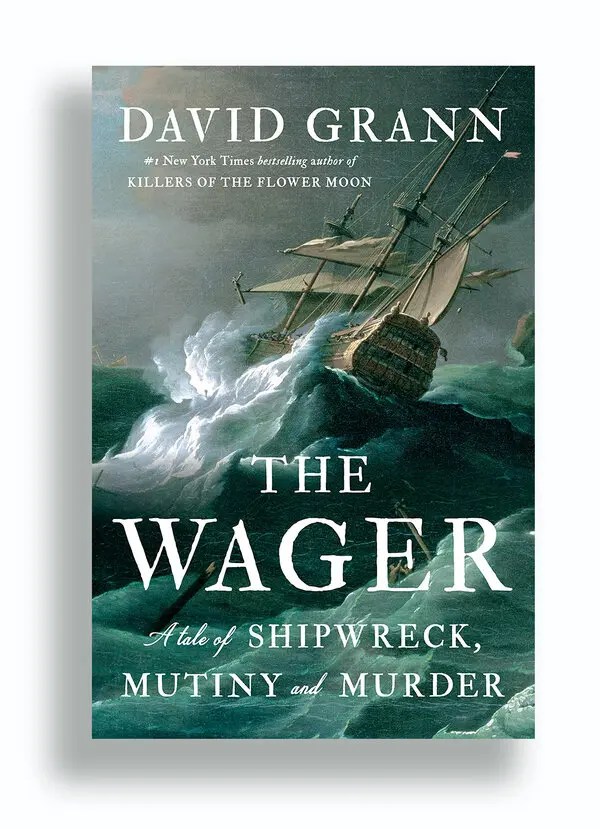
I’ve decided I like nonfiction adventure stories, and I say this because even though I have been reading this genre, it hasn’t been something that I’ve consciously recognized — or appreciated.
Some notables that come to mind are:
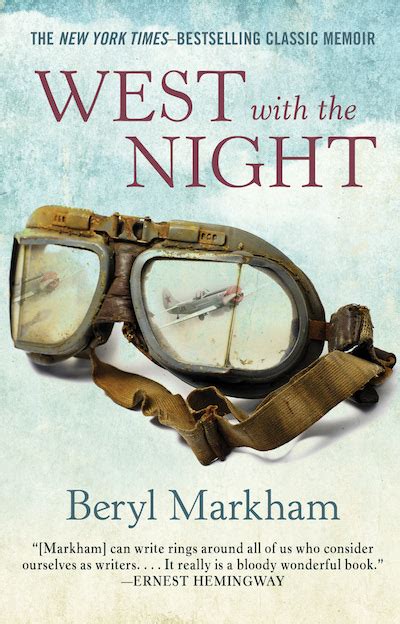
// British-born Beryl Markham’s lush memoir West with the Night about her childhood memories in Kenya, and later her experiences as a horse trainer and bush pilot. “She was the first person to fly solo, non-stop across the Atlantic from Britain to North America.”
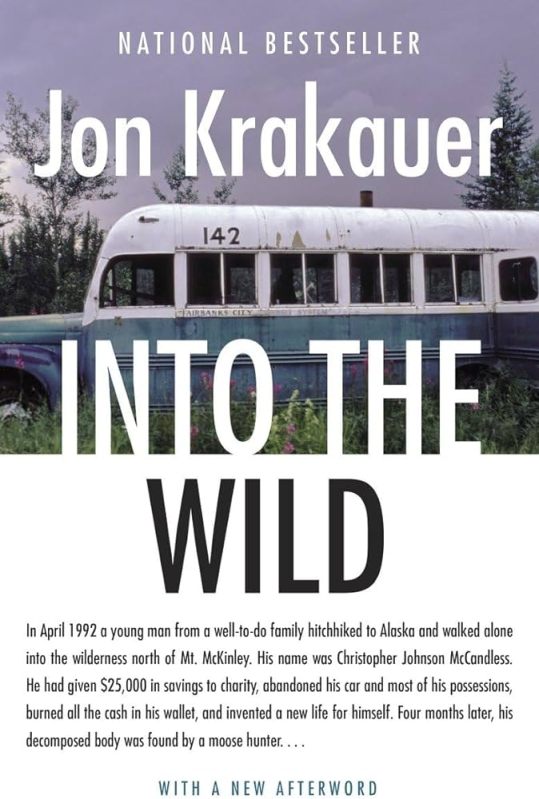
// Into the Wild by Jon Krakauer on the rather mysterious journey of Chris McCandless from leaving his life behind to dying in the Alaskan wilderness.
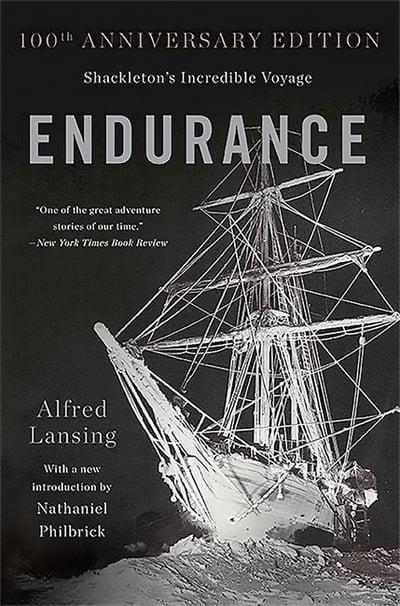
// Endurance: Shackleton’s Incredible Voyage by Alfred Lansing – “The harrowing tale of British explorer Ernest Shackleton’s 1914 attempt to reach the South Pole, one of the greatest adventure stories of the modern age.”
// The Lost City of the Monkey God: A True Story by Douglas Preston is about a group of scientists who go looking for the fabled White City or the Lost City of the Monkey God reported to have great wealth tucked in there from Spanish conquest days. It’s a real life Indiana Jones, but without the uplifting musical score, and with real life consequences.

So, The Wager is similar to Monkey God in that the ship, HMS Wager, was on course to find a Spanish galleon laden with treasure supposedly somewhere on the very treacherous southern tip of South America. Apparently, the Spaniards had a habit of burying treasure and/or ran an excellent PR network. Oh, and the Brits are at war with Spain — let’s go to sea, boys!
It’s truly a remarkable story with lots of information about all manner of things like where the phrase “to turn a blind eye” came from to the indigenous cultures that lived in the hostile climate of Cape Horn to the UTTER INSANITY that these men endured.

The Death of Mrs. Westaway by Ruth Ware centers around Hal, an orphaned young woman who finds herself in dire financial straits, until the day she receives a letter that promises her some inheritance money. But the catch is, she’s not really the granddaughter of Mrs. Westaway. She’s also a tarot card reader, which I think is the reason why this book was so hyped up.
I have to admit, after a promising start, I wanted to stop reading. But I decided to commit to it, and I powered through. Overall, it’s got good bones, but the problem for me was two things: the one toilet in the entire house and the fact that no real person could survive on so few calories.
These two oversights pulled me out of the story. The former I won’t explain because you might read it, and I mention the latter because it’s a rather detailed novel, with characters eating, etc, so you’d expect something substantial thrown in given how much physical action and stress happens throughout.
But if you enjoy modern day mysteries, young female protagonists, and tarot readings, it’s a decent read. You could do worse.

For those of you who remember, in my last post, I explained how I was going to give Substack a try. It’s been a month, barely, and I certainly have little engagement, but so far, I’m getting into it.
// I’m publishing every Sunday.
// It’s a nice community. Folks are quick to reply and follow you. Their “Notes” which functions like Twitter is a simplified built-in social media-like platform.
// I asked Sari Botton of the very popular Substacks, Oldster and Memoir Land, if she’d share my essay in her link roundup and she said YES! [It helps that I’ve been reading and participating on her Subs, and she published my Chinatown essay on Oldster a year ago.]

// There are possible opportunities for me to write for other Subs, too. So, that’s something I think could help me branch out, but honestly, I’m so busy over at my new/old job, I’m waiting for life to slow down a bit.
How’s your January been?









 Life, the Universe, and Lani
Leave a reply to Rebecca Moon Ruark Cancel reply