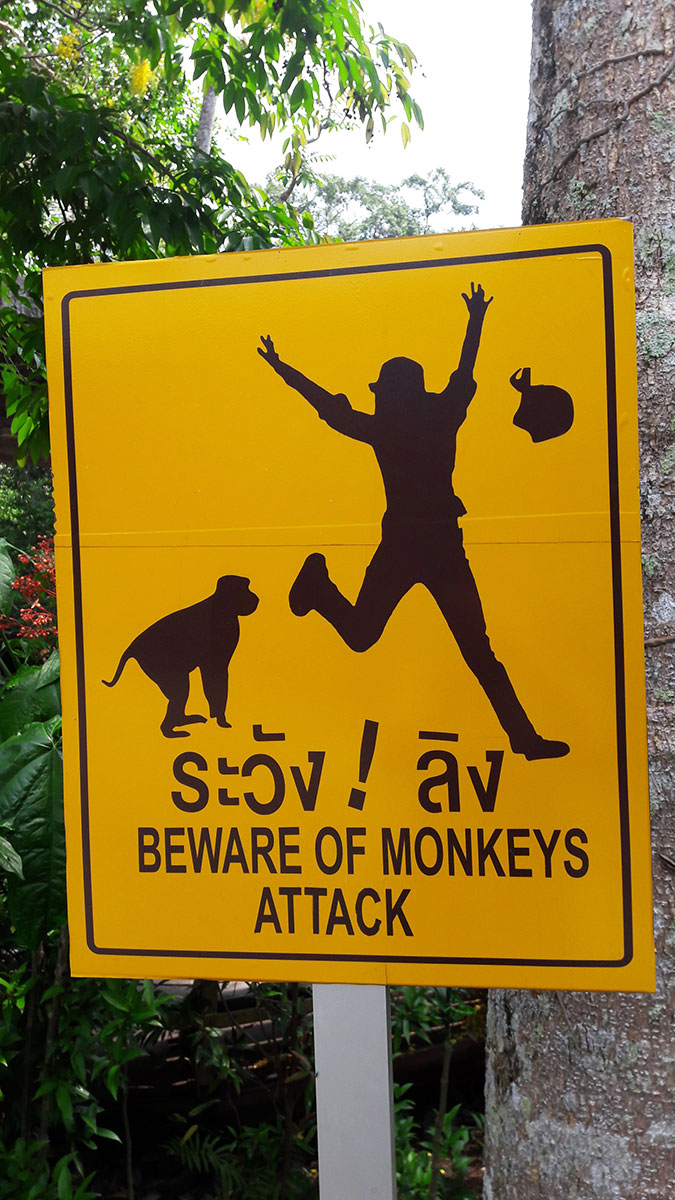
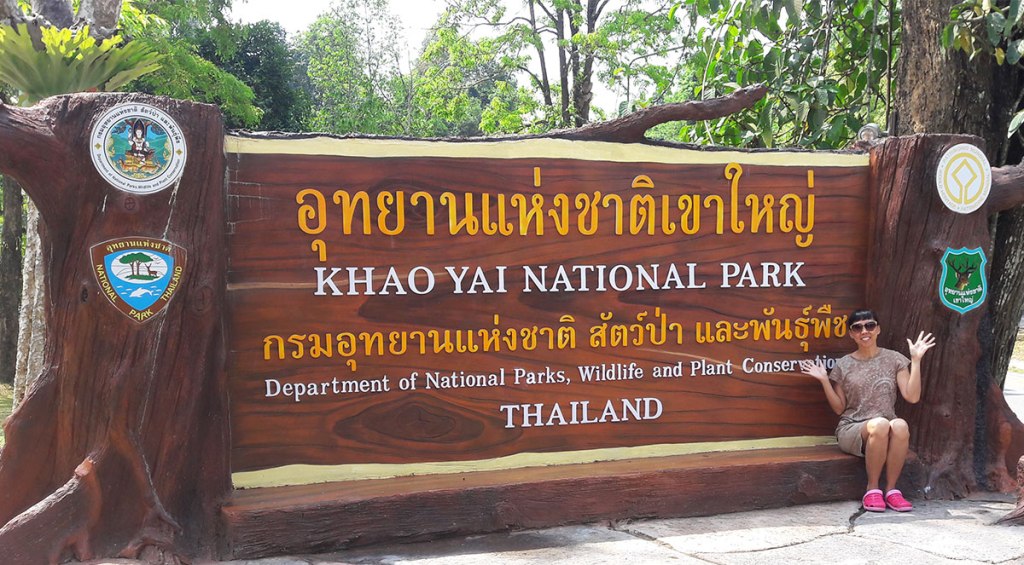
Despite my small role as a chaperone, the humidity, heat, and great fear of wild monkeys, I enjoyed our trip to Khao Yai National Park. Khao Yai is a World Heritage Site declared by UNESCO, includes rain and evergreen forests and grassland, and is home to “more than 800 fauna species, including 112 species of mammals, 392 species of birds and 200 reptiles and amphibians.”
At our school, we have twenty students who are sponsored (due to their financial situation) by the U.S. government for after-school English language learning.
I had been teaching our 13-15-year-olds for only three weeks when our Khao Yai National Park trip was planned in coordination with BARGE, an organization that specializes in teaching environmental awareness.
Like many of my colleagues in Bangkok, who would be joining us for this excursion with their sponsored students, I didn’t really know what we would be doing except camping in one of the largest national parks in Thailand. And it’s not like I wasn’t given an itinerary, it’s just reading about the macro-invertebrate investigation is very different than doing it.
In short Khao Yai is a special place and we were going with some exceptional students. I’m grateful I was asked along. So let’s go!
DAY ONE:
We left around 7am, but we asked the students to arrive at 6.30. (This reminded me of high school when we’d organize events and asked friends to be at school a half hour earlier because of the chronically late. As a person who has been conditioned to be on time, not waste other people’s time, and be respectful of other people’s time, I was amused.)
It was a four and a half hour drive if I recall correctly. I do remember being the last school to show up so getting oriented, organized, and joining the other groups felt a bit chaotic. We were divided into four groups: A, B, C, and D, essentially by age. I stayed with D the whole time since each group allowed for all of us to pretty much do the same things, but at different times.
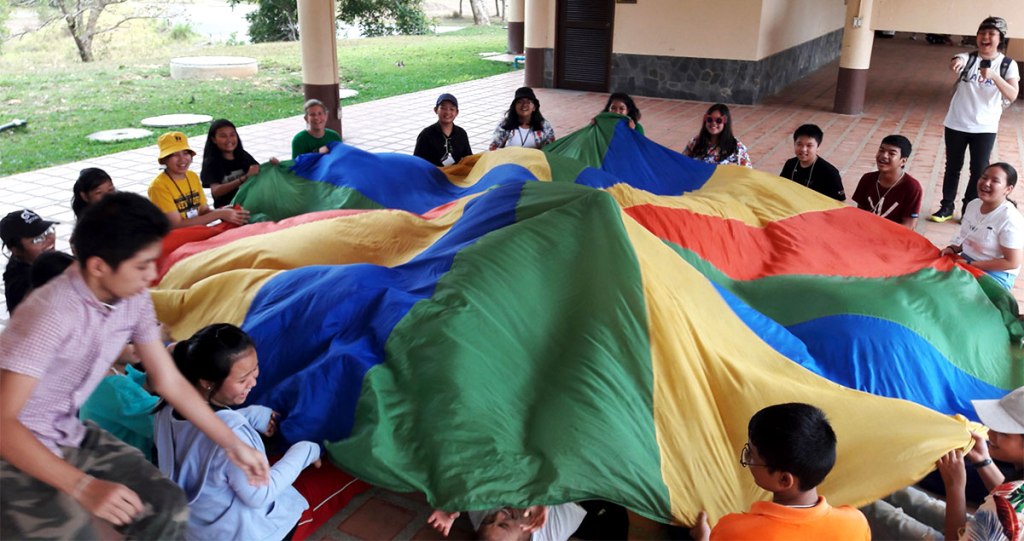
The organizers kept us busy all day from activity to meals to short 10 minute breaks to get our gear and be out again. This made for tired students and staff, but looking back, they made sure we used our time wisely and got the most out of our experience.


DAY TWO:
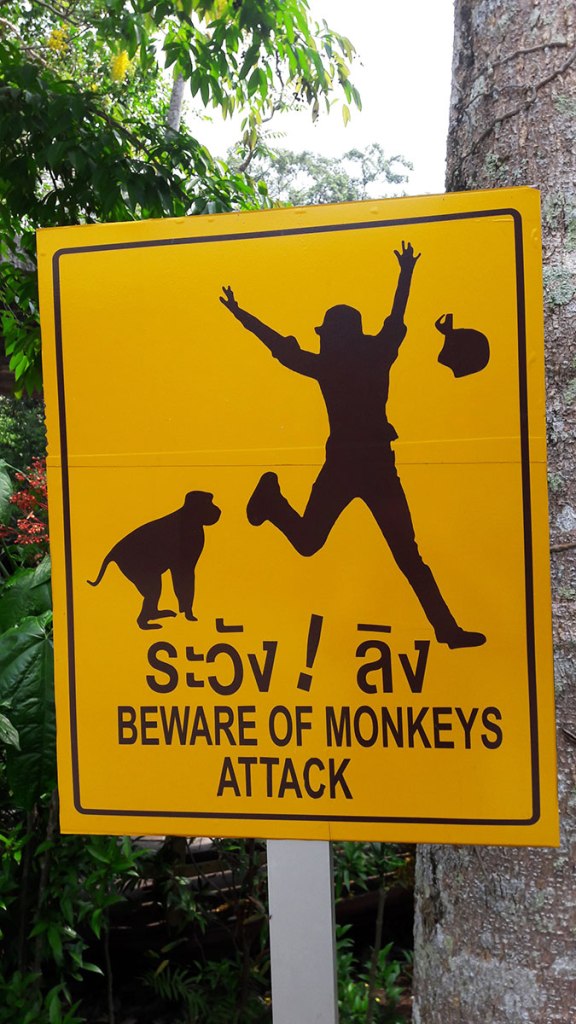
Like many of my colleagues and the students, I slept horribly. For me, being in a new environment did it. Also, we were warned about those horrible monkeys who could break into our rooms, destroy our belongings, and steal our food. Tack on noises that go bump in the night and I, for one, tossed and turned. But I was ready for the new day.
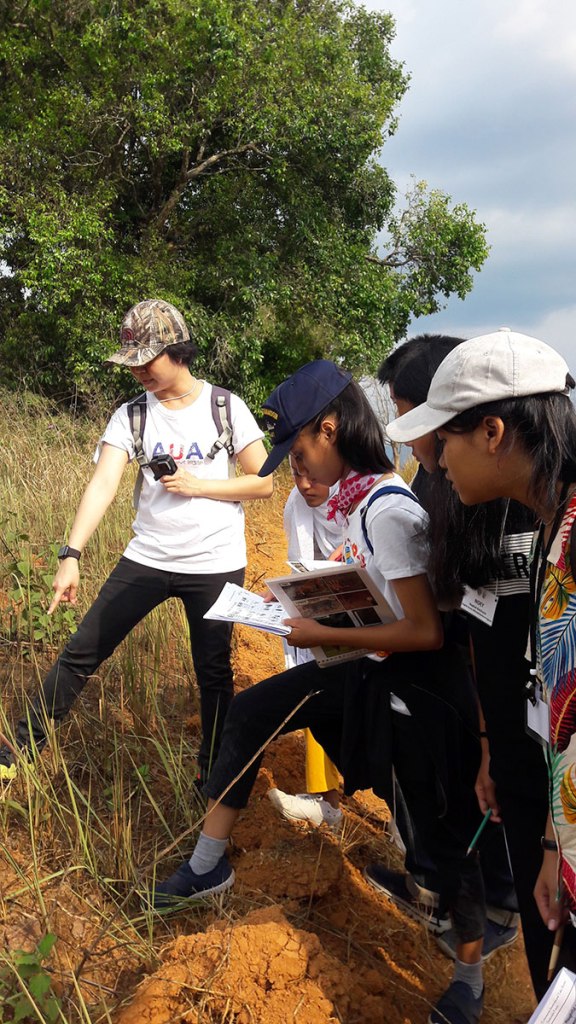
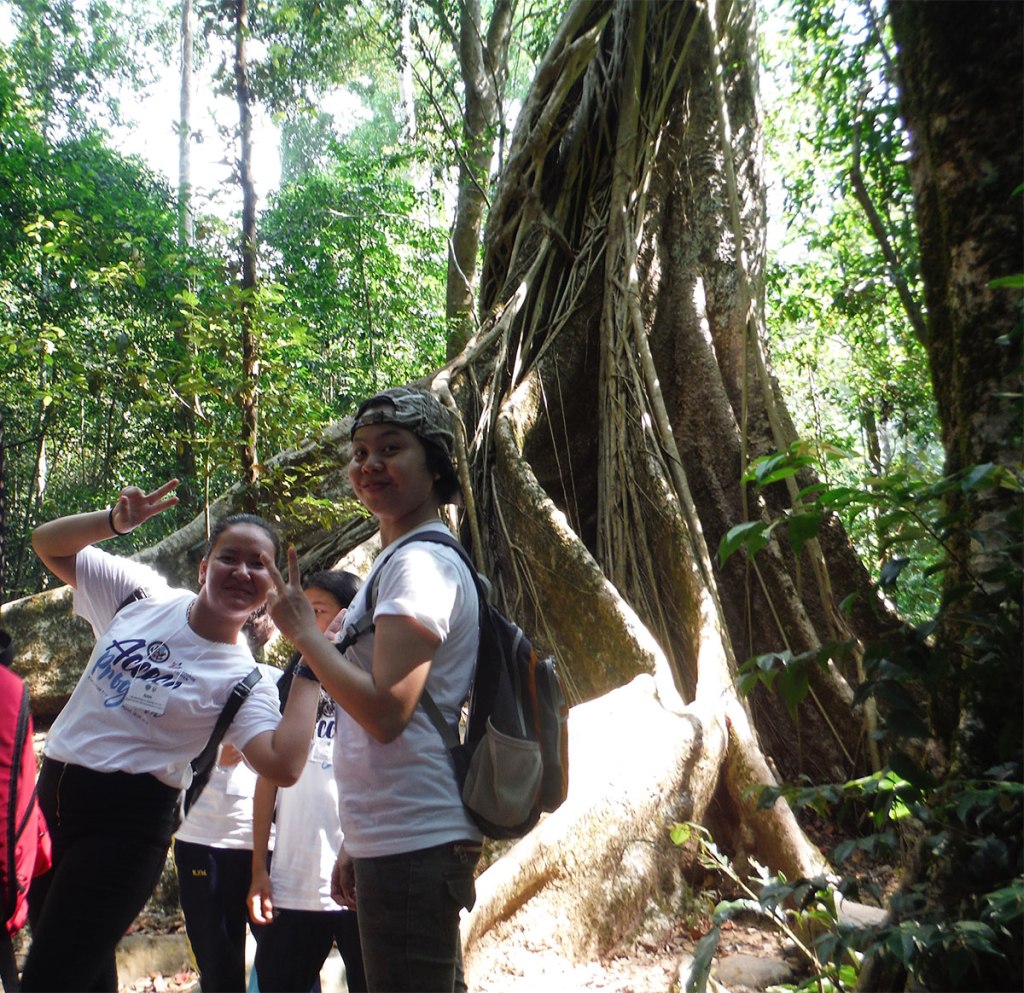
Today we were going on a more “serious” hike through the forest. We divided into three groups within our group, so as to not make a lot of noise and probably for safety reasons as well.


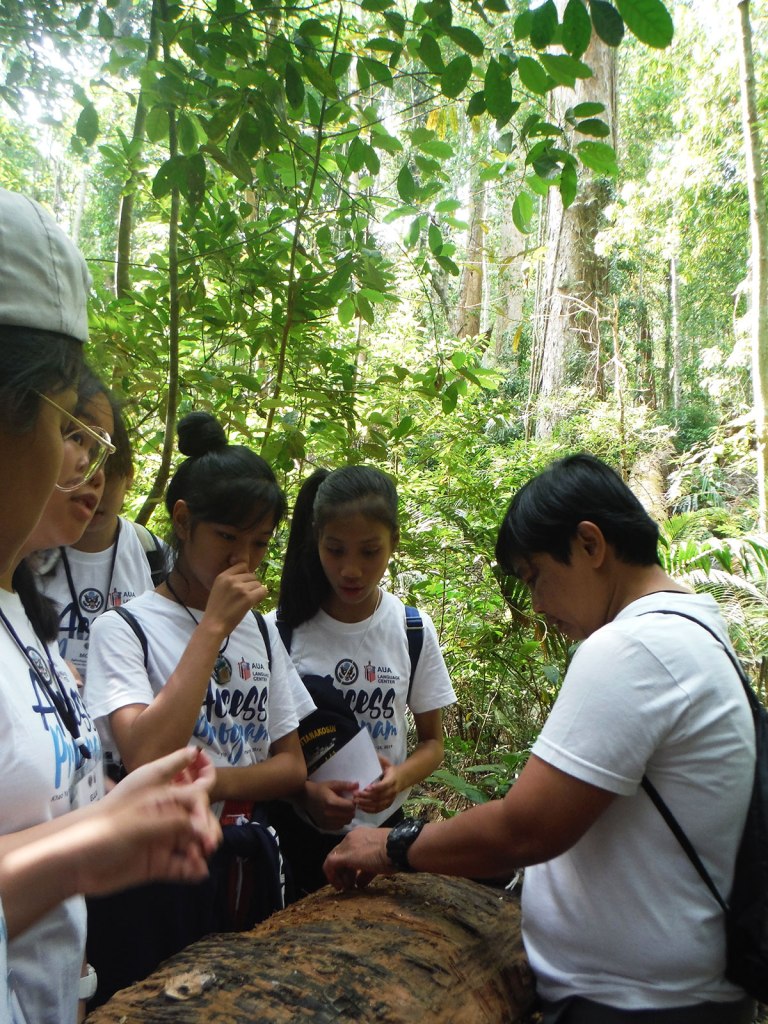
After the hike and lunch, we were exhausted. One of the BARGE leaders said it was the hottest that hike had ever been. And I didn’t expect some of the students to be so out-of-shape. I’m looking at you, smartphones. Plus, the children were working extra hard in English, not their mother tongue.
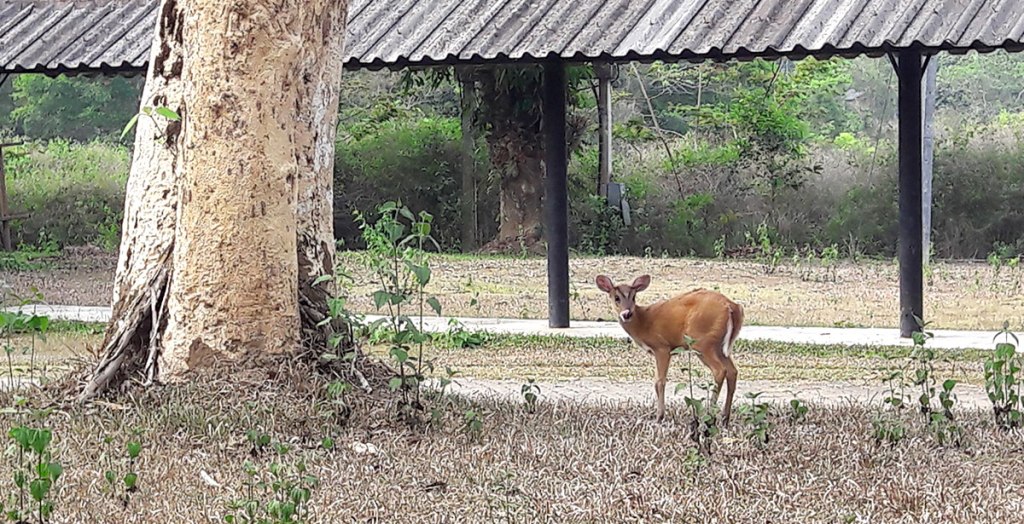
That evening was the night drive. Something I was looking forward to as we had watched two other groups go off the previous day. They luckily saw a leopard cat. We mostly saw deer, but we did see a porcupine which does not look like the ones from the U.S. These were so much more adorable.
For this excursion, I sat in the back of the truck with my students from another group. As we looked up at the stars and the spotlights looking for wildlife, they told me which students had crushes on who and who had a girlfriend or boyfriend. It was funny. I’ll have to conduct my own study in the classroom for the rest of the year.
DAY THREE:
We seem to hit our stride on day three. It might have been because we knew this was the last day or it might have just taken us time to adjust to the schedule. I suppose they were used to their BARGE leaders by now and I’m not ruling out a good night’s sleep either.
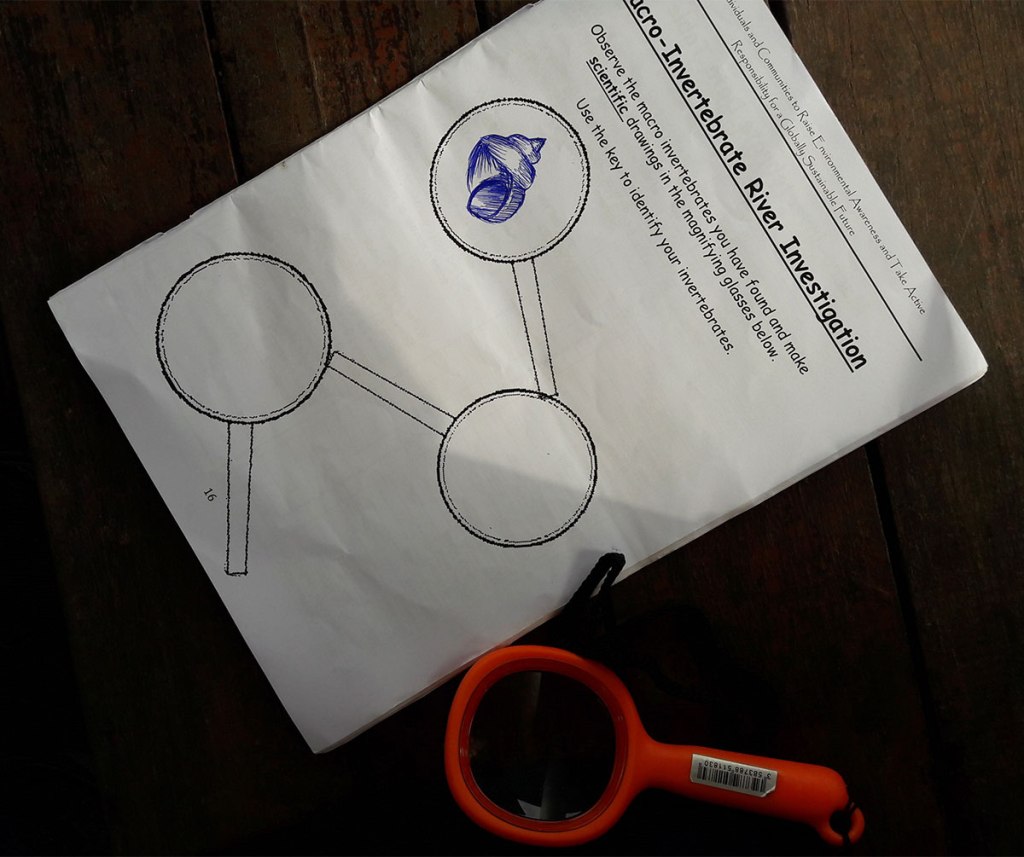
Today we went to the Lamtakhong Campground for macro-invertebrate hunting and clean water testing.


I rather liked this one because the kids were in the water trying to capture these little critters and then they did water testing to see if the water was clean. In other words, they learned that the cleaner the water is the more likely they will have macro-invertebrates living in it.
Afterward, we went to the Research Center and gift shop. The students had to ask a park ranger questions after watching a very good video on the park. I bought a t-shirt for the BF with the great hornbill on it. It’s an unusual bird that occupies the park. We saw and heard them on occasion. Actually, the park is a serious place for bird watching.
Lunchtime didn’t feel like the last lunch together, but when the students were sitting outside lined up by their school to head back into the vans to go home, that’s when it hit me. The students in unison said THANK YOU to the BARGE staff. There were speeches, and of course, group photos. (Actually, I’m looking forward to seeing everyone else’s pictures.)
I was proud to hear from one of the staff that our students were their favorites by far. And I was pleased to hear from my students that they didn’t want to go home, they had fun, and were ready for the next adventure.







 Life, the Universe, and Lani
Comments create conversations. Let’s talk.