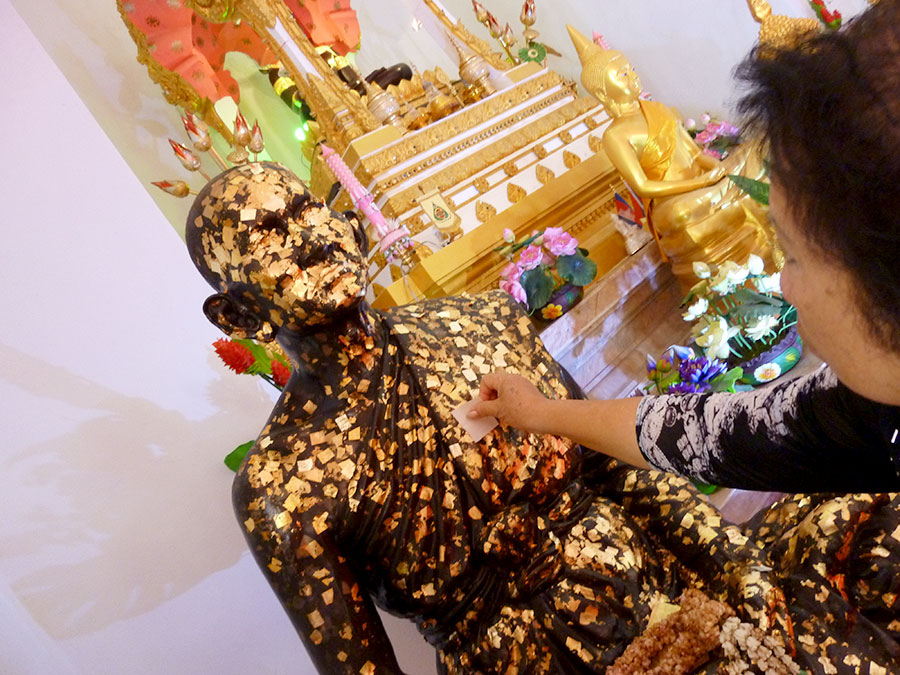

My friend, who is somewhat newly moved to Thailand, was reflecting on what it’s like to be an expat: the culture shock, and then the struggle of not wanting to complain and feel culture shocked. As I walked to work, I thought about how much I had changed since living abroad.
You become aware of other ways of doing things – that work. When we live in our own country, we can’t help but believe that things operate a particular way, and when we discover that they don’t? Oh, dear. We suddenly become aware of our own culture, and we learn how flexible or inflexible our minds can be.
You can exist in a completely different world with different rules. I swear, being an expat sometimes feels like you’ve been transported onto a different planet. Not only are the way of doing things different than what you know, you can get used to it. I’m not saying you have to like it or agree with it, but you do learn new rules to the game.

You become much more aware of how many people there are leading normal lives. I remember one of my Cambodian coworkers suddenly saying, “Not all Cambodians are poor!” And when I asked why he was saying this, seemingly talking to his computer, he explained, “I’m tired of seeing photos of poor Cambodians.” Good point. Reminded me of the time I saw a group of tourists crowding around a boy in a field with his buffaloes. I suppose everyone was going for that “NatGeo” photograph.
But once you travel outside your little bubble, you can discover a middle class in countries typically portrayed as “third world”. In fact, I’m willing to wager many are mildly shocked to discover this or fail to recognize it.


When you live in your own country you think of it as the center of the universe, and when you live in another country, you realize this the center of the universe for all these other people. For this reason, I think reading or watching the news leaves a lot to be desired. It’s easy to crop and highlight an event without getting into the complexity of the story. Three second sound bites can’t really do justice to world events; censorship is also commonplace in many countries around the world. And for most the us, everyone is doing the same thing you’re probably doing: going to work, paying the bills, cooking, cleaning, and spending time with family and friends.

After I left the US, I realized how much I had taken for granted. Growing up, I was taught to question authority and challenge my government. But I was also keenly aware that I was receiving college financial aid from the US government because my father died while still serving in the military. My family and I enjoyed free to low-cost medical benefits, too, thanks to the Veterans Association. As a result, this presented two sides of my government to me.
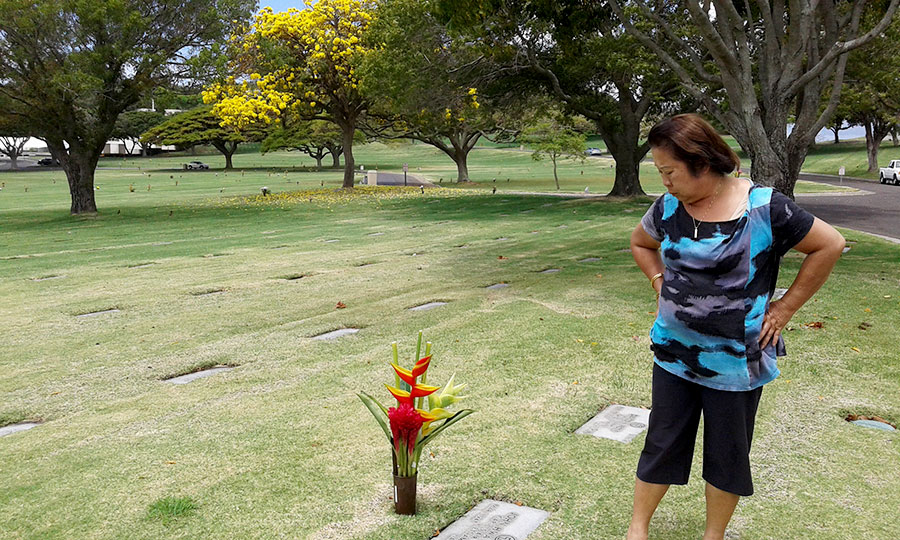
Then I moved abroad and experienced other forms of governments. This widened my telescope on what people endure around the world. It put my own country in perspective. Ironically, I left to escape America’s dead end politics, but I see it differently now. This isn’t to say we’re become best friends, but I appreciate the opportunities my country has given me, and continues to give me now. What can I say? It’s complicated.
You might discover that you fit in better someplace else. I love being part of an international community. Despite the challenges of being an expat, making friends from around the world is worth it. I never felt as though I belonged in America, so I embraced this, and left to join the band of outsiders around the world.

Has living abroad or travel changed you?







 Life, the Universe, and Lani
Leave a reply to Wendy Cancel reply