
It’s time to debunk the top myths on what it means, and what it takes, to be an English teacher in the Land of Smiles.

1) Anybody can teach. No. Sorry. Gone are the days where you could saunter up to a school and dazzle them with your backpacker friendly face and native English speaking skillz. You have to have a bachelor’s degree in order to get your work visa from the Thai government. And more likely than not, most schools will want a TEFL or CELTA certified teacher.

2) It’s a hot climate therefore it’s casual. Recently, I opened the teachers’ room door to two tall Caucasians dressed in tank tops and smiles, asking if they could drop off their CVs. I was surprised because I couldn’t believe after all this time, and information everywhere on the internet, that folks still show up at a school dressed like they’re going to a beach BBQ.
 3) It’s a sexpat world. Sure, there are creepy sexpats lurking behind bottles of Leo beer and LM cigarettes, but things are a-changin’ around here. English schools and the English teaching business, at least in major cities in Thailand, are competitive. Schools need reliable and competent teachers or they simply will lose their business. While sexpats are an unfortunate, albeit amusing part of the landscape, I believe they are a dying breed in the school system.
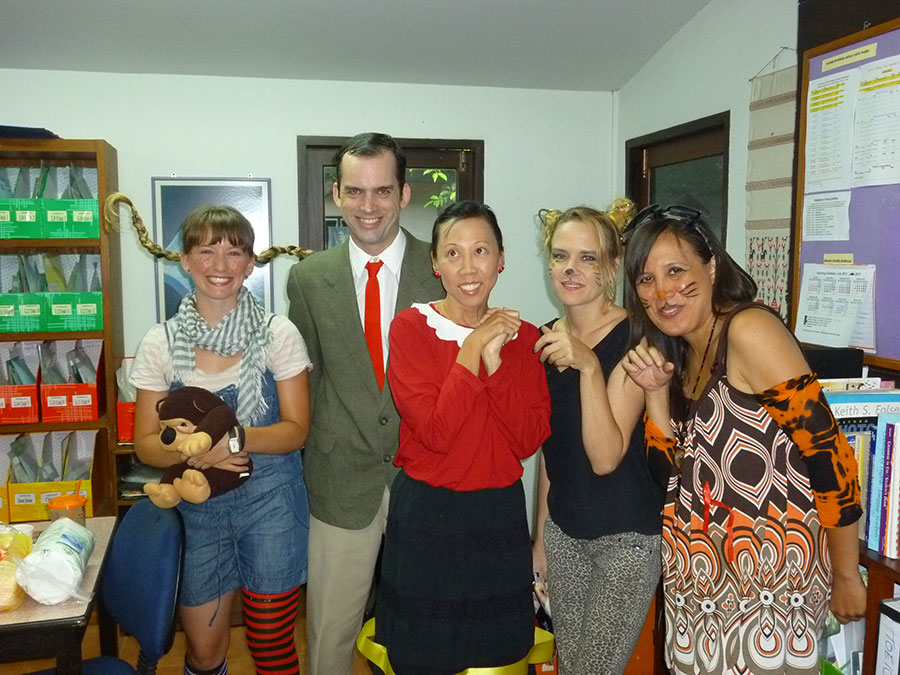
4) Teachers are 20-somethings or 60-something year olds. Our language school still has the 20-somethings motorbiking in and out, and we have our “older personnel”, but the majority of our teachers are 40-somethings with a variety of personal interests like art, music, and cycling, that provide a more dynamic and interesting range of teachers for the students, and the school.
 5. Teaching English in Thailand is an easy and good gig. Not necessarily. Many other Asian countries offer better salary and benefits. At the beginning of this year, the cost of living in Thailand went up, yet many teachers are still making 200-300 baht an hour. A lot of schools are also demanding more work and very little compensation for teachers’ time and energy. But since Thailand is a popular place to live, it’s challenging to demand a more comfortable wage.
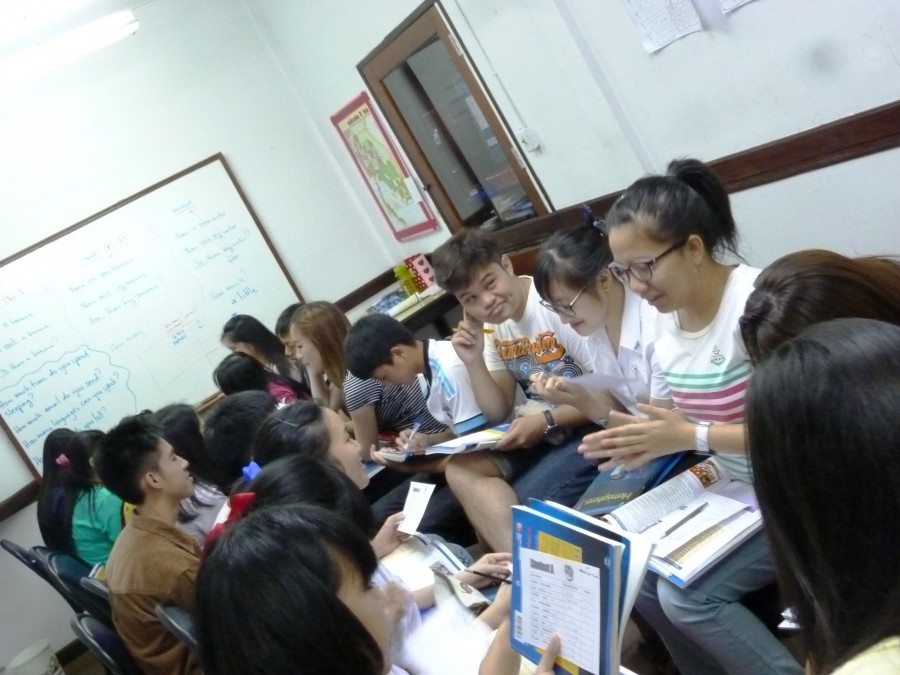 6) You are automatically respected. I imagine teachers in smaller tucked away towns are still experiencing old fashioned Thai values of students treating teachers will RESPECT. But I see this changing in Chiang Mai and I know other teachers who have been around longer see this too. Blame it on globalization, parents, the rich kids, whatever – students talk back, openly defy you, and skip class…It’s not fun.
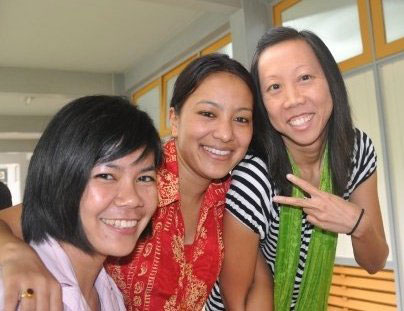 7) You have to be Caucasian. I’m proof that you don’t have to be white to teach English in Thailand. My coworker is also Asian American and my friend Lauren who taught at a nearby university, is an African American. I have friends in Bangkok who are Indian and Mexican who currently teach English too.
Did I miss any other outdated stereotypes? What has been your experience?









 Life, the Universe, and Lani
Comments create conversations. Let’s talk.